Things to Do in Somalia in February
February weather, activities, events & insider tips
Shoulder Season · Good Value
February Weather in Somalia
Long-run averages for February in Mogadishu
86°F (30°C)
High Temp
74°F (23°C)
Low Temp
0.0 inches (0 mm)
Rainfall
74%
Humidity
13
Sunny-Day UV
⚠ Pack protection. The UV index hits extreme levels. Peak dryness stirs dust and sand. Air quality suffers. Respiratory conditions may flare. Prepare accordingly.
Making the most of February in Somalia? Browse tours and activities in Somalia on GetYourGuide.
Is February Right for You?
Weigh the advantages and considerations before booking
Advantages
- + February is Somalia's bone-dry season. Mogadishu records zero measurable rain. Plan any outdoor activity. No backup needed.
- + The sea lies flat as glass. Dhows in Mogadishu's port barely bob. This is the only month you can count on boat trips to offshore islands or northern archipelagoes.
- + Days stay consistent. Nights hit the sweet spot. Temperatures drop to 74°F (23°C). The air carries clean salt, not heavy humidity.
- + Skip major holidays. Find real engagement here. Locals live normal routines, not Eid or Ramadan cycles. The country's rhythm opens up.
Considerations
- − Xagaa season peaks now. The dry *jilaal* wind blows from the northeast. It stirs fine dust inland toward Hargeisa. The sky wears a whitish haze. Light softens. Eyes and throats suffer.
- − The sun hits hard. Mogadishu's UV index peaks at 13. You get 25 minutes before burning without serious protection. Light bounces off whitewashed walls and pale sand without mercy.
- − February draws the year's highest concentration of diplomats, aid workers, and business travelers. Competition for rooms in established hotels runs fierce. Book ahead. Last-minute fails.
Short on time in February? See day trips around Somalia on GetYourGuide.
Best Activities in February
Top things to do during your visit
Mogadishu Old City & Port Exploration
Dry, clear air suits Hamar Weyne's maze-like streets. No rain means pure scent: dried fish, sweet limes, frankincense in small shops. Light strikes restored ochre and coral-stone facades with real sharpness. The old Ottoman and Italian quarters glow. The port looks its best. Turquoise water stays calm. Ropes creak against wooden dhows.
Booking Tip: Hire a local guide. Non-negotiable. You need context and navigation. Find operators focused on cultural history. Take a full day. Wander without rushing. See current guided walking tour options in the booking section below.
Laas Geel Cave Paintings Day Trip
Drive from Hargeisa this month. The *jilaal* wind hazes the skies. But dirt tracks to the site run bone-dry and passable. Inside granite caves, 5,000-year-old paintings of cattle and herders glow red and white against cool, shaded rock. The silence hits hard. Only wind whistles at cave mouths. Outside, dry plains stretch wind-scrubbed and empty.
Booking Tip: Plan a full day. You need a 4x4 and a guide who can arrange site access. Book seven days ahead through licensed Hargeisa tour companies. Check the booking widget for current day-trip availabilities.
Indian Ocean Dhow Sailing & Island Visits
The Indian Ocean off Somalia lies deceptively still in February, deep blue silk. This is your only reliable window to hire a local dhow from Mogadishu or Marka. The experience delivers: salt and aged wood on the nose, lateen sail flapping overhead, fresh coconut and sweet black Somali tea on a small stove. Sail to Ilisi or Gezira. Beaches stand empty. Water runs bath-warm.
Booking Tip: Arrange this locally through port boat owners. Your hotel concierge or trusted guide handles introductions. It's private hire, not a formal tour. For structured coastal options, check the booking section.
Somali Cuisine & Market Immersion
Food greets you first. February's heat makes cold, aromatic *canjeero* with stewed lamb the ideal breakfast. Bakara Market in Mogadishu hits peak intensity: shouting, metallic spice scents, heaped chillies, limes, rice sacks. Taste *bariis iskukaris* now. Try grilled lobster from the night's catch, smoky flavor cut with lime.
Booking Tip: The best food experiences stay informal. A food-focused city tour with a local offers the safest, most insightful market and eatery access. Seek tours emphasizing market visits and home-style cooking. Find options in the booking widget.
Where to Stay in Somalia in February
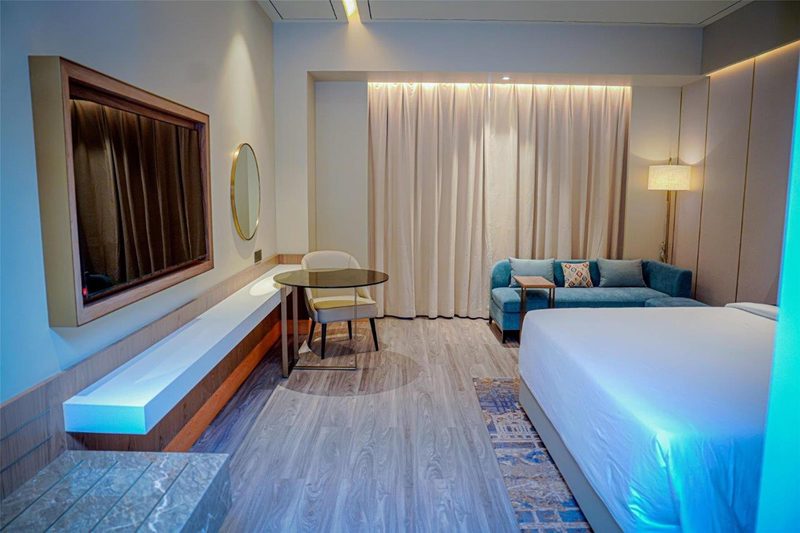
Hand-picked hotels across price tiers for February travellers.
Packing Checklist
Bookmark this page — your progress is saved between visits
Need the full list with shopping links?
Climate-specific gear, brand recommendations, and what to leave at home.
View Somalia Packing List →Essential Tips
Insider knowledge and common pitfalls to avoid
Insider Knowledge
Shoot during the hour after dawn and before sunset. Midday sun flattens everything. Early morning light turns architecture golden and throws long, dramatic shadows.
Skip the hotel lobby. Find a *mafrish* instead. These traditional sitting rooms open straight onto the street. Locals will invite you in. Expect sweet spiced tea, easy conversation, and perhaps a game of chess. This is Somali social life at its most authentic.
Heading beyond Mogadishu? Say, to Hargeisa? Bring small gifts. A bag of premium dates works. So does good *xawaash*, the spice mix, from Bakara Market. Your host will appreciate this gesture immensely.
Hotel Wi-Fi works better in restaurants and lobbies. Not in rooms. Plan accordingly. For important calls, head downstairs. Buy a local SIM card on arrival. Your hotel can help with this.
Avoid These Mistakes
Respect the sun. UV radiation stays extreme even through haze. One bad burn on day one ruins everything. Cover up. Apply sunscreen constantly. No exceptions.
Slow down. Distances are long. Internal travel lacks fixed schedules. Build buffer days into your plans. Never pack your itinerary tight. Flexibility matters here.
Carry small bills. Essential for markets. For tea stops. For tips. No vendor carries change for large notes. Keep a roll of small denominations handy at all times.
Ready to plan your trip to Somalia?
Now that you've got the research covered, here's where to go next.
Explore More Activities in Somalia
Didn't see anything interesting yet?
Browse Viator's full catalog of tours, day trips, food experiences, and private guides in Somalia.
See All Somalia Tours on Viator